FACE THE FAKES
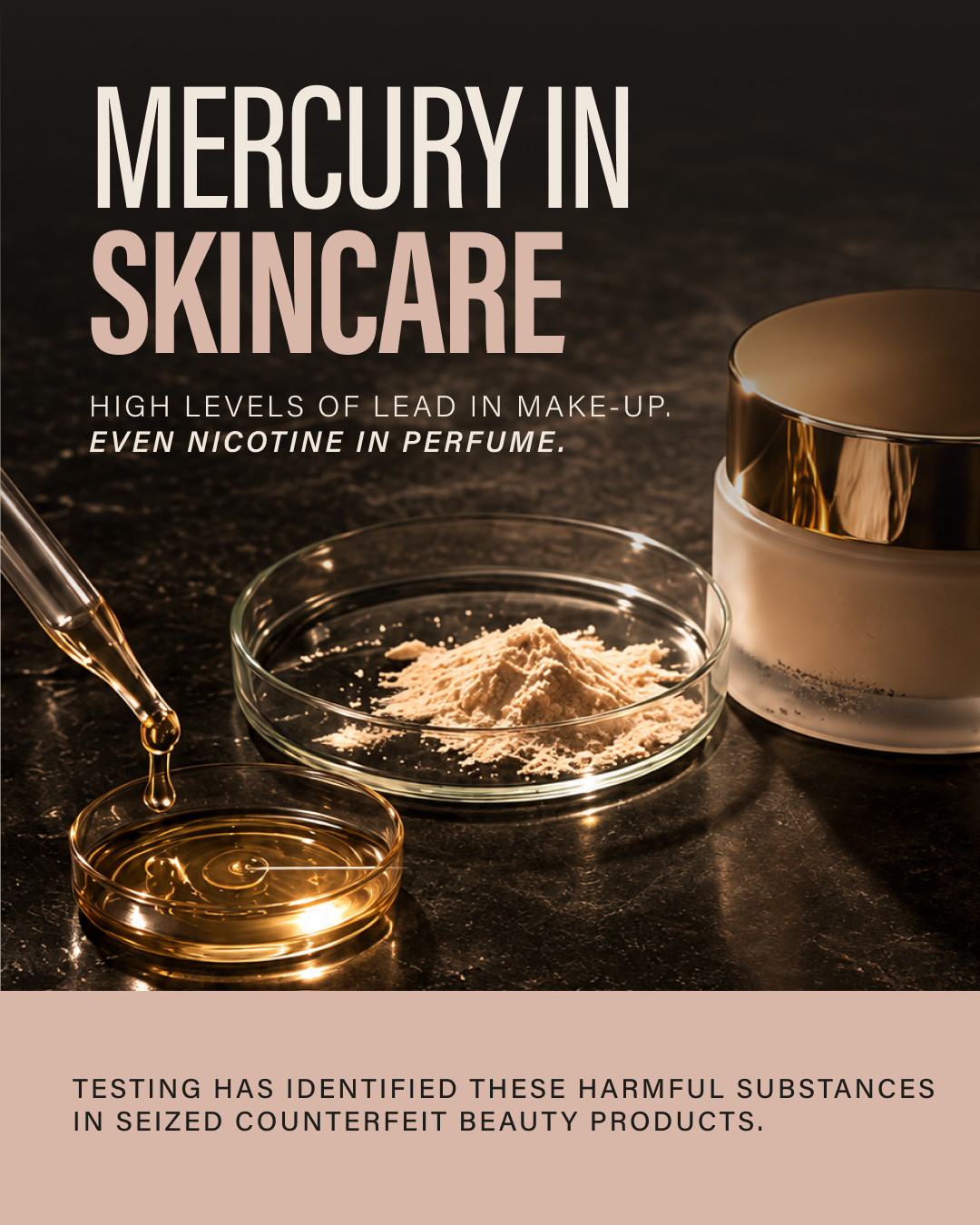
MERCURY IN FACE CREAM. LEAD IN MAKE-UP. EVEN NICOTINE IN PERFUME.
These are just some of the substances found when Trading Standards tested counterfeit beauty products seized in the UK.
While counterfeit cosmetics can look almost identical to genuine products, they may contain harmful ingredients or have been manufactured without the safety checks that legitimate beauty products must meet. Counterfeit products are also commonly known as ‘fakes’
The Intellectual Property Office (IPO) is working with SafeGlam, the British Beauty Council, the Cosmetic, Toiletry and Perfumery Association (CTPA) and beauty experts on Face the Fakes, a campaign raising awareness of the potential health risks of counterfeit beauty products and helping consumers make safer purchasing decisions.
Whether you're shopping for skincare, make-up or fragrance, knowing where your products come from is one of the most important ways to protect yourself.
THE REAL RISKS OF COUNTERFEIT BEAUTY
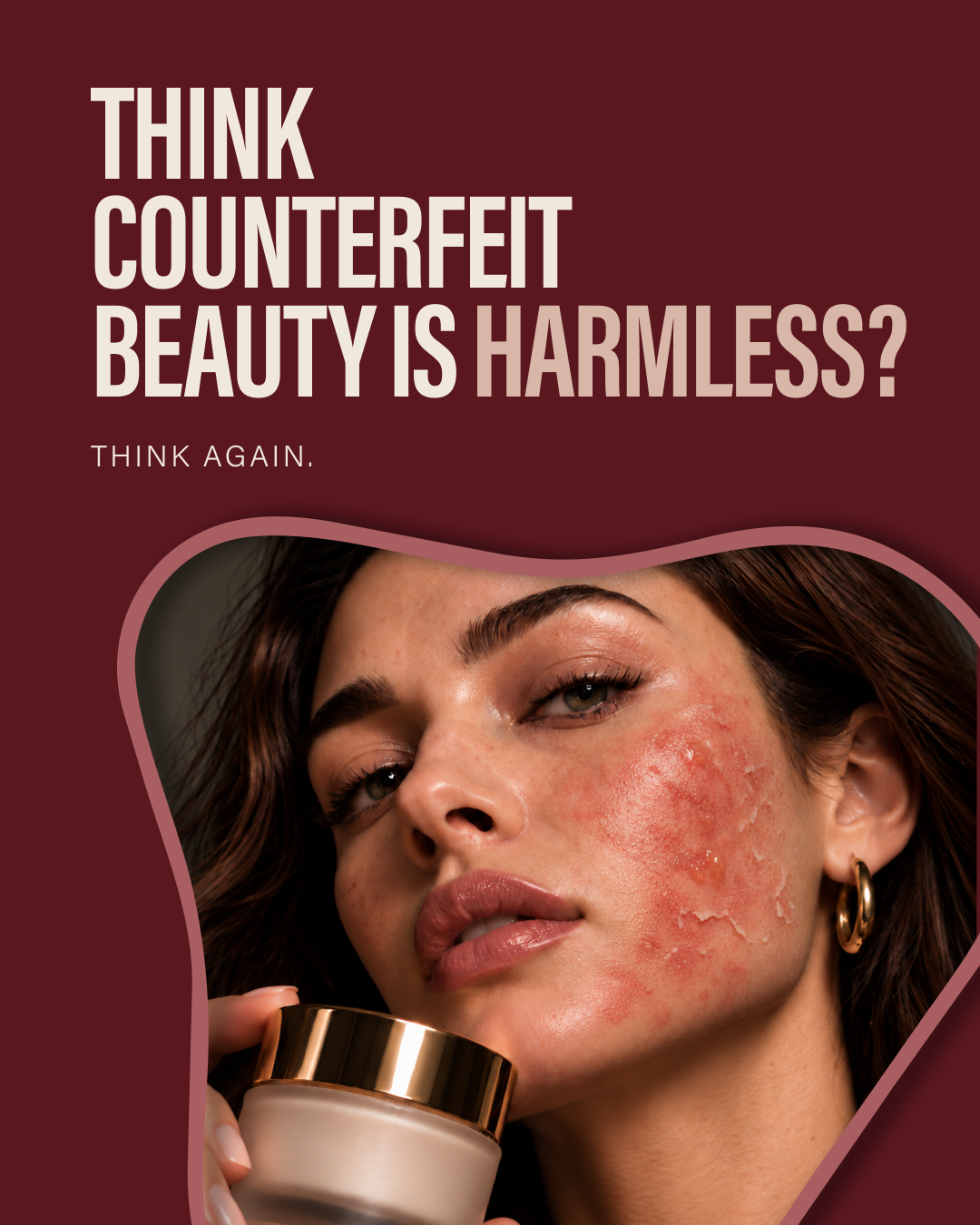
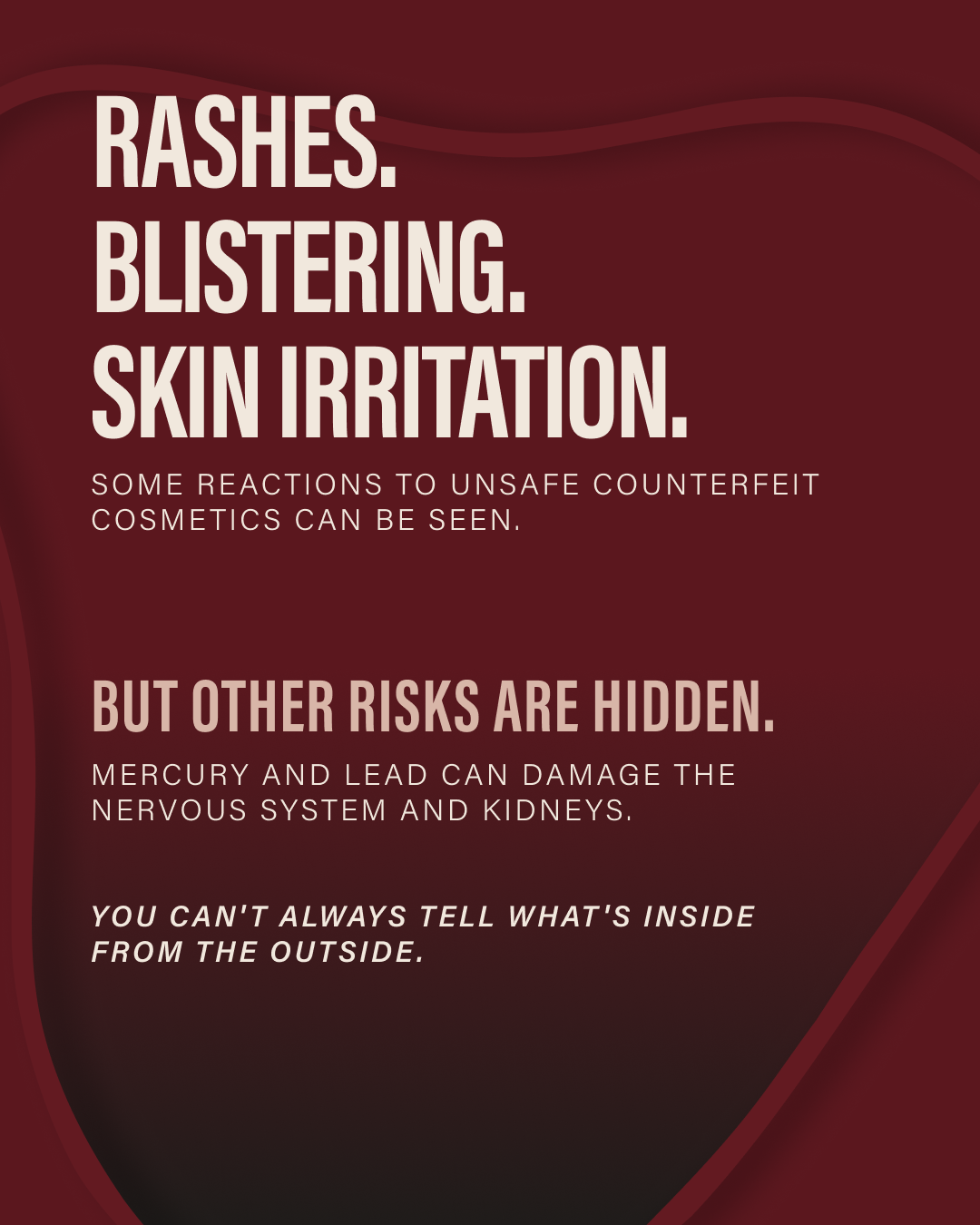
Counterfeit beauty products can cause painful reactions, including sore eyes, swollen lips, skin irritation and blistering*.
To help bring these risks to life, special effects make-up artist EllaDoesFX has used realistic SFX make-up to recreate examples of reactions reported by people who have used counterfeit or unsafe cosmetics.
* The SFX transformations illustrate reactions reported in real-world cases involving counterfeit or unsafe cosmetics. They are not depictions of the effects of the specific products tested by Trading Standards.
WHAT’S REALLY INSIDE COUNTERFEIT BEAUTY PRODUCTS?
What's really inside counterfeit beauty products?
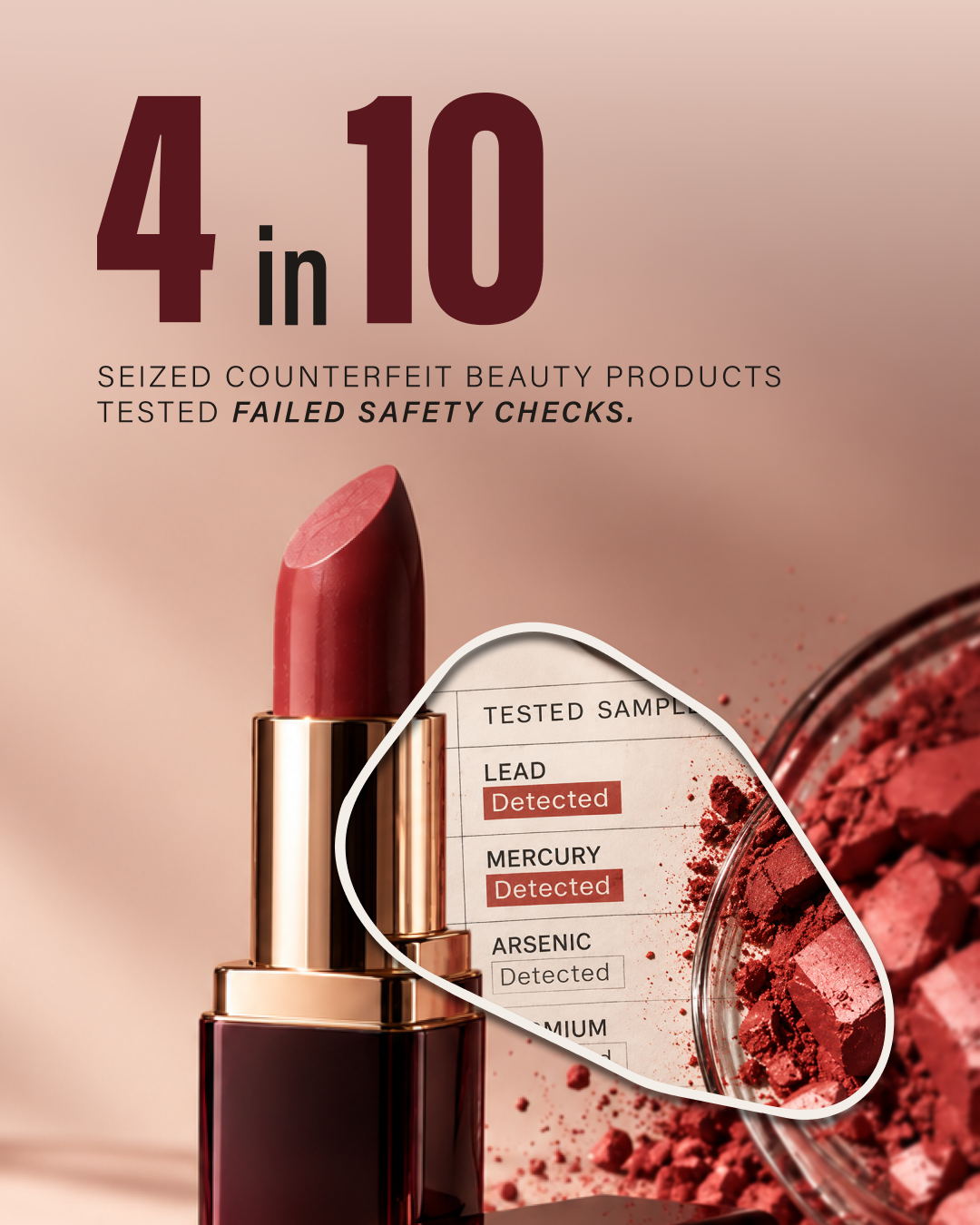
Four in 10 seized counterfeit beauty products tested failed safety checks: Trading Standards tested 50 counterfeit cosmetic products seized in the UK and found that 20 failed safety checks, with potentially harmful or prohibited substances identified in skincare, make-up and fragrance. While some unsafe ingredients can cause visible reactions such as irritation or swelling, others can affect the body internally, with consequences that may not be immediately obvious.
Mercury in face cream: One counterfeit skin-lightening cream contained 1.32% mercury, equivalent to 13,200 parts per million. Mercury is prohibited in cosmetics, and repeated exposure through the skin can damage the kidneys and nervous system. These effects may develop over time without any immediately noticeable symptoms.
Lead in make-up: Testing found high levels lead in several counterfeit lipsticks, eyeshadows and contour products, including 40 mg/kg in one contour kit. Lead can build up in the body over time, potentially damaging the brain, nervous system and kidneys. Lead exposure is particularly concerning for children and during pregnancy.
Excessive methanol in perfume: One counterfeit fragrance contained around 80% methanol, a toxic alcohol that can be absorbed through the skin or inhaled. At sufficiently high levels of exposure, methanol can cause serious poisoning, including damage to the nervous system and eyesight.
Nicotine in perfume: Testing also detected nicotine in a counterfeit perfume, despite it being prohibited in cosmetics.
Hydroquinone in skin-lightener: One counterfeit skin-lightening cream contained 8.1% hydroquinone, a chemical prohibited in cosmetic skin-lightening products in the UK. Hydroquinone can cause skin irritation and, with repeated use, changes to skin pigmentation that may be permanent.
COULD YOU SPOT A COUNTERFEIT BEAUTY PRODUCT?
Counterfeit beauty products can be extremely difficult to identify, with packaging and branding that closely imitate genuine products. When shopping online, convincing product photographs, positive reviews and listings on well-known websites or apps can make it even harder to know whether you're buying the real thing.
IPO research found that 71% of people who had bought counterfeit cosmetics and toiletries purchased them online. But not everyone buying counterfeit beauty products is being fooled. The latest research also found that one in five (20%) 18–24-year-olds who bought beauty products in 2025 knowingly purchased counterfeits, compared with just 6% in 2023.
Buying a counterfeit isn't the same as finding a good deal on the genuine product, because you have no reliable way of knowing what ingredients it contains, how it's been manufactured or whether it's safe to use.
Legitimate cosmetics sold in the UK must meet strict safety requirements, regardless of their price. There are plenty of affordable alternatives available from trusted brands and retailers, so getting a good deal doesn't have to mean taking a chance on a counterfeit.
What's the difference between a counterfeit and a dupe?
Counterfeit: A product designed to imitate another brand and be mistaken for the genuine item.
Dupe or affordable alternative: A legitimate product that may offer similar features or benefits for less money, but isn't pretending to be the original brand.
A lower price doesn't automatically mean a product is unsafe. The important thing is to buy from legitimate retailers and sellers you can trust.
Check who you're buying from: When shopping on marketplaces or social media, check who is actually selling the product rather than relying on the website or app you're using. Where possible, buy from trusted retailers, official brand websites or authorised sellers.
Question the bargain: An unusually low price can be a warning sign, although a discount doesn't automatically mean something is fake. Be wary of countdown timers, limited-time offers or other tactics that pressure you into buying quickly, and take a moment to check before making a purchase.
Look beyond the product photos: Don't rely on convincing product images or five-star reviews alone, as these can make counterfeit products appear genuine. Check the product information, ingredients and company contact details, and look beyond the listing for information about the seller.
Check your product when it arrives: Pay attention to the packaging, labelling and product itself. Blurry printing, spelling mistakes, missing information or anything that looks, smells or feels different from what you'd expect can be warning signs. However, counterfeit products can also look extremely convincing, so appearance alone isn't a reliable way to judge authenticity.
And if you you think it's fake, don't use it. If you suspect you've purchased a counterfeit beauty product, don't try it to see whether it's safe. Keep the product, packaging, receipt and seller details, and report your concerns to Trading Standards.
FOUR WAYS TO SHOP SAFE
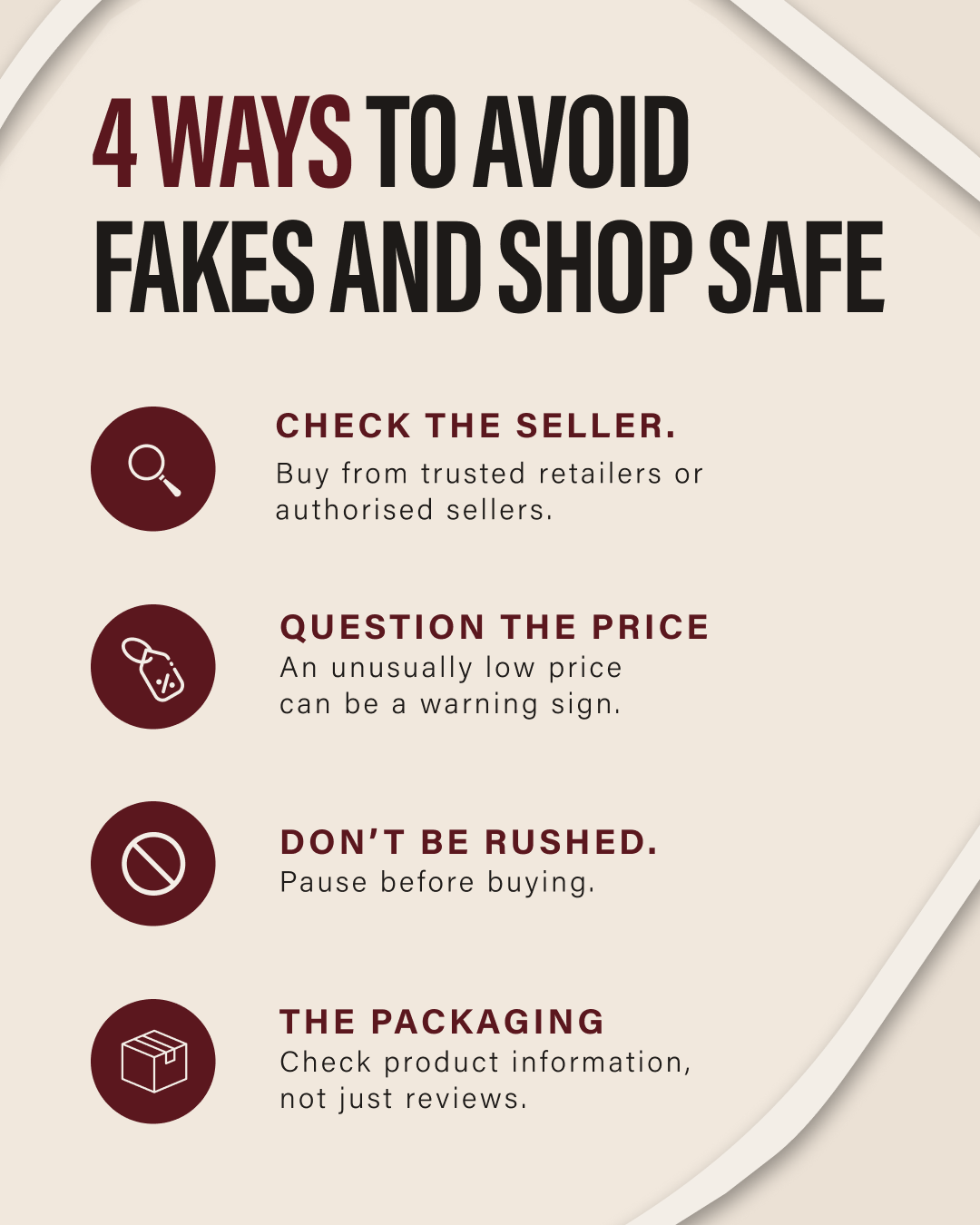
Independent toxicologist Rani Ghosh shares practical advice on what to check when buying beauty products online, including how to assess sellers, recognise potential warning signs and reduce the risk of purchasing counterfeits.
Find out more on Gov.uk:
Watch: Rani Ghosh's tips for shopping safely
DO YOU WORK IN THE BEAUTY INDUSTRY?
Counterfeit beauty products aren't just a concern for consumers. Salons, beauty professionals and smaller businesses can also unknowingly purchase or use counterfeit products, potentially putting their customers at risk and damaging their reputation.
The Intellectual Property Office has developed practical guidance to help beauty businesses source products from trusted suppliers, recognise warning signs and understand what to do if they suspect a counterfeit. The guidance also covers the potential legal and insurance implications of buying, using or selling counterfeit products.
Read the Face the Fakes guidance for beauty businesses.
The Fake the Fakes Shop Safe guidance was developed in conjunction with:
Intellectual Property Office is an operating name of the Patent Office
Share the campaign
Help spread the Shop Safe message with the Face the Fakes campaign toolkit.